

Training & Workshops for Suicide Response and Recovery
Workplace Aware delivers tailored training and workshops that equip managers and staff to respond effectively to suicide and sudden loss. Co-designed with frontline professionals, our programs combine practical skills, reflective learning, and psychological insight to build safer, more supportive workplaces.


Supporting workplaces through the most challenging of times.
Our training and workshops build the skills, systems, and confidence needed to respond safely and compassionately to suicide and sudden loss.

Training
Professional Training Programs for Managers and Staff Responding to Suicide and Sudden Loss
Our training programs provide the knowledge and confidence your team needs to respond when suicide or sudden loss affects your workplace or clients. Delivered by qualified psychologists, the sessions blend research-based frameworks with lived workplace experience.
-
Managers and team leaders coordinating workplace responses
Staff supporting colleagues or clients affected by suicide or loss
HR and wellbeing professionals developing support protocols
-
Core postvention principles and recovery frameworks
How to provide effective support while maintaining professional boundaries
Communication tools for sensitive, real-world scenarios
Steps to strengthen awareness, preparedness, and response across teams
-
Interactive group sessions (in-person or online)
Practical exercises, reflection, and case-based learning
Tailored delivery to suit your workplace culture and needs
Ongoing evaluation to measure impact and outcomes

Workshop
Facilitated Workplace Workshops for Postvention Planning and Psychosocial Risk Mitigation
Our workshops help organisations develop clear, coordinated systems for responding to suicide and sudden death. Each session supports leaders and staff to plan proactively, reducing psychosocial harm and strengthening wellbeing across the workplace.
-
Designing or refining postvention and recovery plans
Reviewing policies, communication pathways, and support systems
Building leadership and peer support capacity
Embedding sustainable approaches to mental health and safety
-
Facilitated, solution-focused discussions
Custom tools and templates for real-world application
Cross-department collaboration and shared understanding
Practical, evidence-based outcomes tailored to your workplace
Ali Clements

Meet Your Facilitator:
Ali Clements is a certified psychologist and the facilitator of the Workplace Aware program, an evidence-based service that helps organisations respond to suicide, sudden death, and workplace trauma. With a Master’s in Psychology and professional experience across journalism, politics, and psychology, Ali brings a broad perspective to her consulting work.
She works with businesses across Australia to strengthen their capacity to manage workplace suicide prevention and response, provide support for staff after sudden death, and address WHS psychosocial hazards. Her approach is strengths-based, focusing on awareness, resilience, and growth for both individuals and teams.
Ali’s post-graduate research laid the foundation for the Workplace Aware program, which equips workplaces with practical strategies to navigate crisis, loss, and recovery. As a workplace mental health consultant, she is committed to creating safer, more compassionate environments where people feel supported during life’s most challenging times.
Ali’s Qualifications
Adjunct Research Fellow, School of Allied Health, University of Western Australia
Masters Philosophy, Allied Health, University of Western Australia
Bachelor of Arts, Political Science
Bachelor of Psychology
Advanced Training Certificate in Couples Therapy, Couples Institute, California.
Murray Bowen Family Systems Theory, Western Pennsylvania Family Center
Case Studies
Real Change in Action
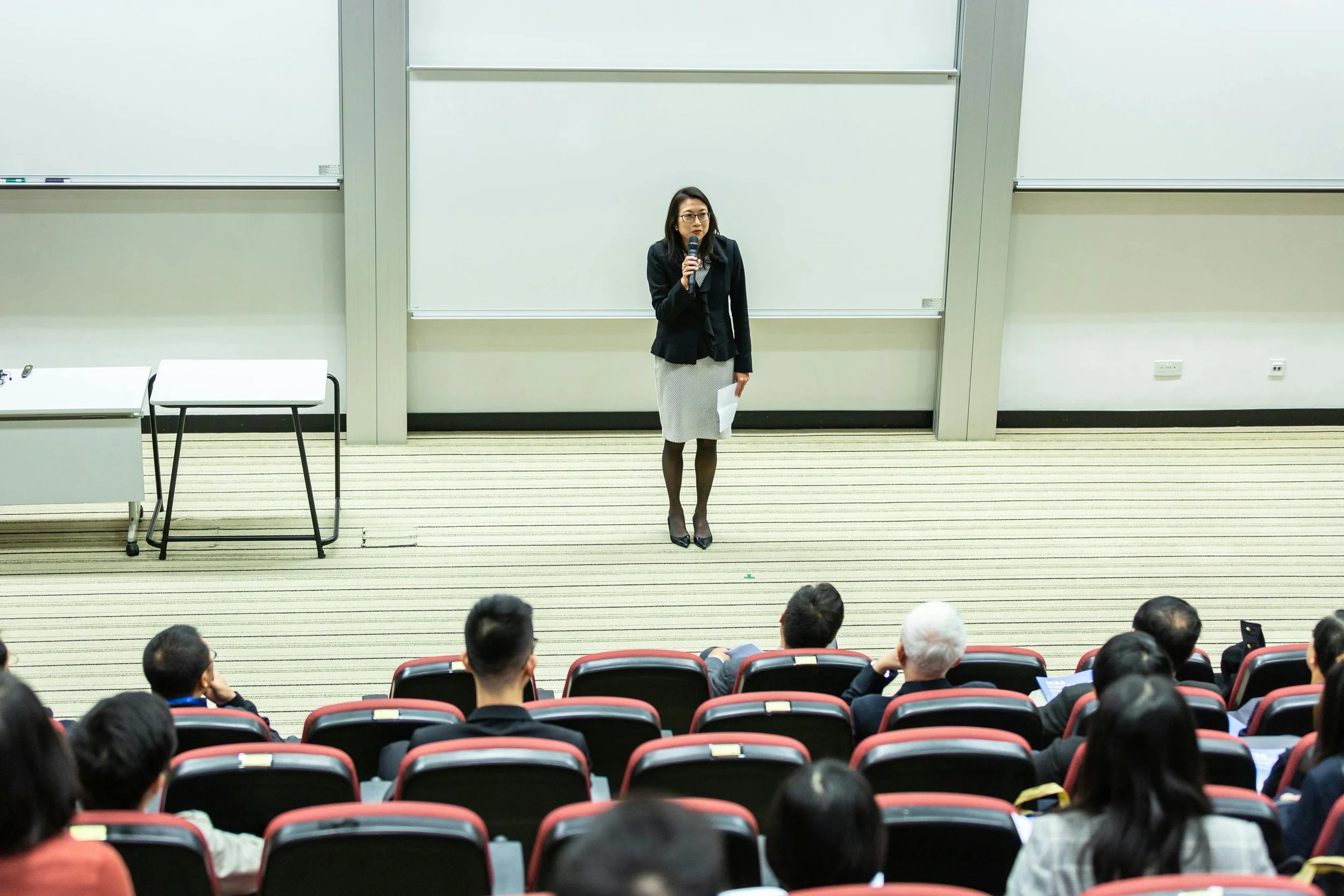
Preparing for the Worst: A Workplace Case Study on Suicide Postvention - Headspace for the Workplace Podcast
This case study explores the importance of workplace postvention — a structured, trauma-informed approach to supporting employees after a suicide loss. Drawing on insights from a conversation between Dr. Sally Spencer-Thomas and psychologist/researcher Alison Clements, the post identifies key components of an effective postvention plan: contextualised training, a long-tail protocol, and localised support networks. The outcome is a model for workplaces to strengthen resilience, reduce burnout, and prevent further harm.
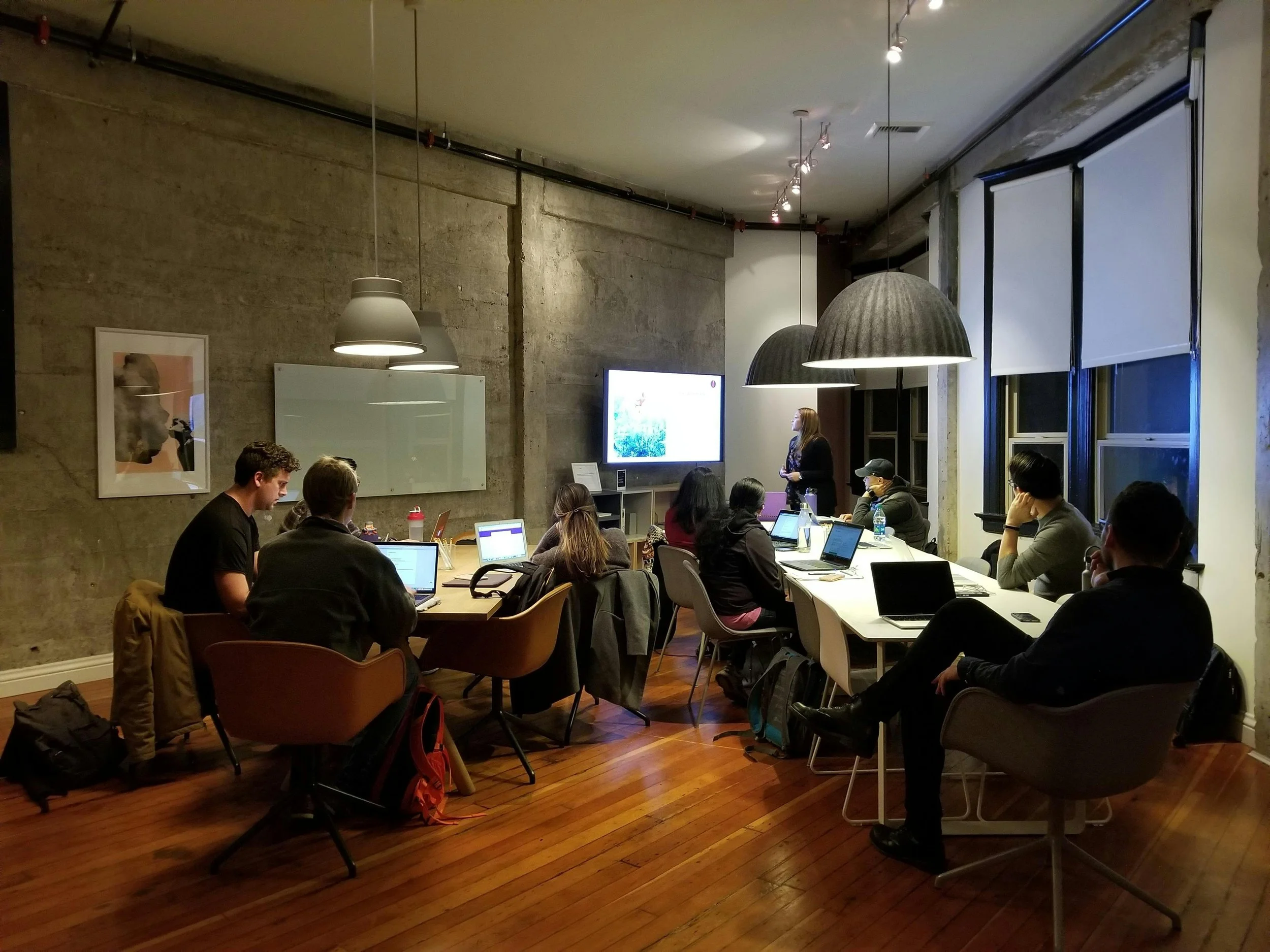
Hidden in Plain Sight: Addressing the Individual Impacts of Suicide Systemically in Workplaces - Testing the Workplace Aware Model
Discover how Workplace Aware was developed and trialled with frontline staff. This case study documents the development and trial of Workplace Aware.
What Our Clients Say

Tailored learning for real-world impact.